Let’s be real — being a parent is probably the single most important job you’ll ever have. Helping your kids grow into their best selves? That’s huge. I’m not exaggerating here; I truly believe nothing else comes close.
But here’s the catch: Nobody hands you a “how-to” manual when you become a parent. Whether you’re a first-timer or you’ve been at this for years, we’re all sort of figuring things out as we go. There’s no magic checklist or secret formula that makes parenting simple. This wild adventure called parenthood can be amazing, hilarious, stressful, exhausting, rewarding, and yes — sometimes totally confusing.
When you bring your baby home for the first time, you’re full of hope and excitement, but let’s face it — most of us don’t realize just how tough things can get. As your child grows up, their needs change, their independence blossoms, and suddenly, the world outside your family starts having a bigger influence on them.
And guess what? Those tricky moments WILL happen (it’s not “if,” it’s “when”). That’s why it’s so important to equip yourself with knowledge, practical tools, and the right mindset. Combine those with your desire to be a great parent — and all that love you already have — and you’ll be ready to handle whatever comes your way.
Getting ahead of the game by learning strategies, making plans, and understanding how to approach different situations means you won’t just be “winging it” during some of the most critical years of your child’s life (and yours too!).
So what can you actually do to help your child thrive? Here at RewardingKids, we focus on sharing real-life positive parenting tips and tools that can make a difference when it comes to child behavior and positive reinforcement. Some of the biggies include:
Ditch punishments for solutions, teach consequences instead of threats, show kindness while staying firm, use timeouts effectively.
Show by example (modeling good behaviors), encourage better choices through positive reinforcement.
Build a nurturing environment, praise appropriately, lead with love and respect.
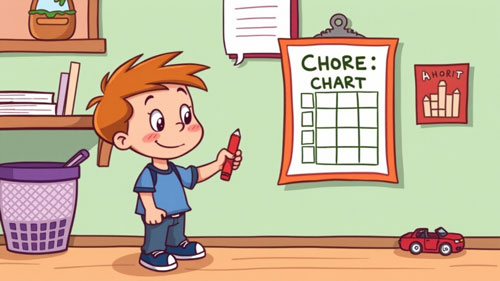
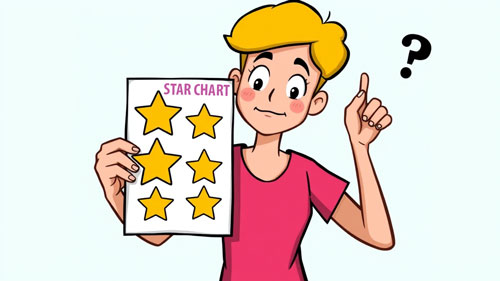
Use reward charts, token systems, chore lists, behavior contracts — whatever helps motivate and guide your child.
Know what’s normal for each stage, recognize potential problems early, and learn when it’s time to seek help.
As you explore more around here (and I hope you do!), you’ll notice two big ideas popping up again and again:
1. Kids respond way better to positive consequences than negative ones.
2. The consequences of their actions either build up or break down their behaviors.
Yes, parenting can feel overwhelming sometimes. There’s a ton of advice out there about raising kids and shaping child behavior, but remember — you are the ultimate expert on your own child! Sure, read up on what the specialists say about positive parenting and positive reinforcement. Take their advice on board. But at the end of the day, trust yourself and trust your instincts.
After all, nobody knows your children like you do!